Explore the Top Features and Offerings Available by Backup Generators Currently.
Backup power systems have developed greatly, including innovative capabilities that boost their utility and user experience. Key innovations include Automatic Power Switches for seamless power changes and distant tracking features for real-time performance insights. Furthermore, sound dampening features and energy saving methods reflect a growing emphasis on user comfort and environmental responsibility. As these systems keep improving, the implications for critical situation readiness and home security become increasingly important. Which additional capabilities might change their function?
The Automatic Transfer Switch: Uninterrupted Power Shift
An power transfer switch (ATS) acts as an essential element in emergency power installations, providing an uninterrupted change of power in case of blackouts. When grid power is lost, the ATS senses the failure and promptly separates the building from the grid. This action stops reverse power flow, which can create dangers for utility workers and equipment. Concurrently, the ATS prompts the backup unit to begin operation, ensuring continuous energy availability
Once the system is active, the ATS transfers the load to the generator, preserving necessary utilities and minimizing disruption. Portland Standby Generators. In most installations, the switch perpetually observes electrical conditions and can seamlessly switch back to the main source once it is restored. By allowing this reliable and swift transition, the switch boosts overall trustworthiness and guarantees that businesses and homes stay energized during emergencies. The inclusion of an ATS marks a significant improvement in guaranteeing consistent energy availability
Remote Monitoring and Control
While standby generators provide essential power during outages, remote monitoring and control boost their effectiveness by allowing users to oversee generator performance from afar. This system employs intelligent hardware and applications, enabling homeowners and businesses to check system health, performance metrics, and service requirements in instantly.
Users are warned concerning power issues, fuel levels, and system malfunctions, ensuring timely intervention and reducing potential downtime. The user-friendly dashboards permit simple changes and configuration updates, promoting better operator involvement and control.
Moreover, remote monitoring can facilitate proactive maintenance scheduling, minimizing unexpected failures and extending the generator's lifespan. As a result, users can enjoy peace of mind, knowing their standby generator is functioning efficiently, ready to provide reliable power when needed. This added layer of convenience and oversight makes remote monitoring a valuable feature in modern standby generators.
Noise Reduction Technology
Noise reduction technology plays an essential role in enhancing the user experience of standby generators. As these systems operate during power outages, minimizing noise levels becomes vital, especially in residential settings. Manufacturers have developed various methods to achieve quieter operation, including sound-dampening enclosures and advanced muffler designs.
Many modern standby generators feature insulated cabinets that not only reduce noise but also protect the internal components from weather elements. Additionally, some models incorporate vibration isolation systems that further minimize sound during operation. The implementation of these technologies allows users to maintain their comfort and peace while ensuring reliable power during outages.
Fuel Efficiency and Environmental Considerations
In examining fuel efficiency and environmental considerations, standby generators present various technologies aimed at reducing emissions. A comparison of fuel consumption across different models highlights the importance of selecting units that optimize energy use. Additionally, the exploration of renewable energy options further enhances the eco-friendliness of standby power solutions.
Emission Reduction Technologies
As concerns about climate change and air quality grow, the importance of emission reduction technologies in standby generators becomes increasingly evident. These technologies are designed to minimize harmful emissions, making generators more environmentally friendly. Innovations such as advanced catalytic converters and particulate filters markedly reduce pollutants, including nitrogen oxides and particulate matter. Additionally, manufacturers are integrating cleaner-burning fuels and optimizing combustion processes to enhance overall efficiency and lower emissions. The implementation of smart monitoring systems also allows users to track emissions in real-time, ensuring compliance with environmental regulations. In conclusion, implementing these technologies for reducing emissions provides advantages beyond environmental improvements and also meets the rising consumer need for green power alternatives. Overall, these options constitute a crucial move in developing eco-friendly standby power alternatives.
Fuel Consumption Comparison
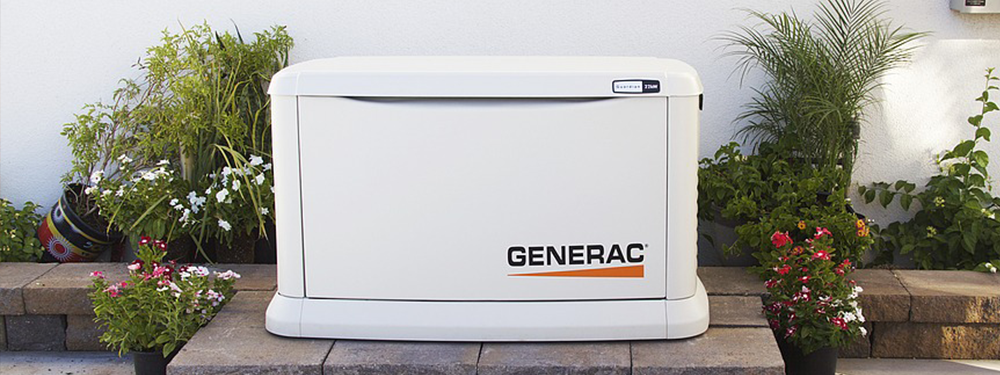
While evaluating standby generators, it is crucial to consider their fuel usage, which affects both the cost of operation and environmental sustainability. The efficiency of fuel use differs among various models, influenced by engine design and technology. Generators powered by gasoline, propane, and diesel show different rates of consumption, with diesel often providing higher energy density and longer run times. Yet, options using propane and natural gas are increasingly favored for their cleaner burn and fewer harmful exhaust fumes. Understanding the fuel consumption metrics, like BTU output or gallons consumed per hour, is essential for consumers seeking to balance performance with affordability. Moreover, the impact of fuel selection on the environment emphasize the need to pick a unit that supports environmental objectives.
Green Energy Choices
Sustainable power alternatives for backup units provide a strong option to traditional fuel sources, with a focus on better fuel economy and their ecological footprint. Wind and solar energy are increasingly integrated into standby systems, enabling consumers to utilize natural energy sources for energy generation. Such alternatives significantly decrease professional guide dependence on fossil fuels, leading to lower greenhouse gas emissions and a smaller carbon footprint. Additionally, advancements in energy storage technologies enable better utilization of renewable resources, guaranteeing reliable electrical service in the event of a blackout. Though the starting price might be elevated, the eventual savings on maintenance and fuel, combined with the ecological advantages, position sustainable energy options as a desirable selection. Overall, the shift towards sustainable energy for backup power units demonstrates an increasing dedication on environmentally sound methods.
Service and Maintenance Contracts
Scheduled maintenance programs are crucial for guaranteeing the lifespan and trustworthiness of standby power systems. Such agreements usually include scheduled check-ups, testing, and servicing carried out by certified professionals. During these visits, critical components including the fuel system, batteries, and wiring are carefully checked to avoid possible malfunctions during an outage.
Service plans typically cover routine oil servicing, filter replacements, and coolant checks, which improve the generator's functionality and efficiency. In addition, numerous companies provide emergency service options, providing immediate support if issues arise beyond standard service times.
Opting for a comprehensive service plan not only extends the lifespan of the generator but also provides peace of mind, knowing that the unit is prepared for unforeseen blackouts. Homeowners can select from various service packages designed for individual needs, promoting ideal functionality and trustworthiness throughout the generator's service duration.
Safety Features and Compliance Standards
Safety features and compliance standards represent crucial factors in the functioning and design of standby generators, ensuring both protection for the user and meeting industry standards. Modern standby generators include various safety features, such as systems that shut off automatically that engage when faults occur, preventing potential hazards like shocks or combustion. Moreover, many units are equipped with carbon monoxide monitors, which help mitigate the risk related to dangerous exhaust fumes.
Meeting regional and federal laws, such as the National Electrical Code (NEC) and Underwriters Laboratories (UL) standards, is vital for manufacturer certification. These regulations verify that standby generators are checked for capability, reliability, and safety. Moreover, producers frequently supply user manuals detailing security protocols and installation guidelines. By focusing on these aspects and adherence criteria, standby generators do more than just boost customer trust but also promote safe operation during power outages, ultimately safeguarding both belongings and people.
Commonly Asked Questions
What is the typical price for a Standby Generator?
On average, a standby generator costs in the range of $5,000 to $15,000, including installation. Factors influencing prices involve the size of the generator, make, and optional components, with varying options available to suit different household needs and budgets.
What Is the Lifespan of a Standby Generator?
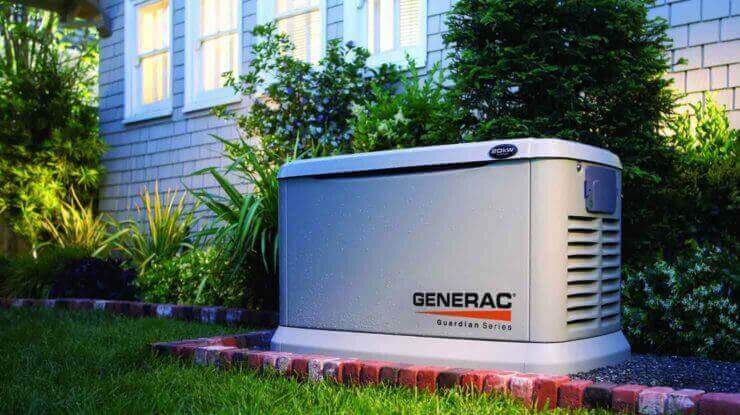
The lifespan of a standby generator usually falls between 15 to 30 years, depending on usage, maintenance, and surrounding conditions. Routine maintenance significantly improves durability and reliability throughout its operational life.
Am I Able to Install a Standby Generator Independently?
Putting in a standby generator yourself can be done by seasoned people, but it's usually discouraged owing to potential dangers and local codes. Professional installation guarantees adherence to regulations and optimal performance for the generator.
Which Brands Offer the Best Reliability for Standby Generators?
Some of the most reliable standby generator brands are Generac, Kohler, and Briggs & Stratton. Portland Standby Generators. These brands are renowned for their longevity, efficiency, and comprehensive customer service, positioning them as preferred selections among people looking for reliable backup power
How Should I Determine the Correct Generator Size for My Home?
Determining the correct generator size, you need to calculate the total wattage of necessary appliances, take into account starting wattage versus running wattage, and plan for potential future demands, to guarantee the generator manages peak power needs without fail.
Comments on “Reliable Generator Needs Maintenance”